
 General Recommendations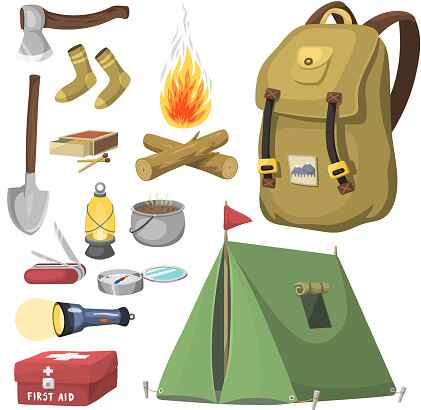
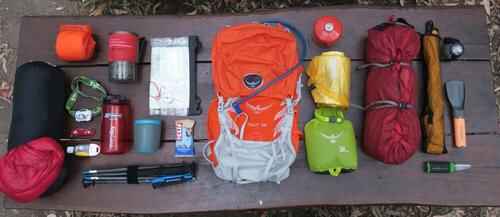
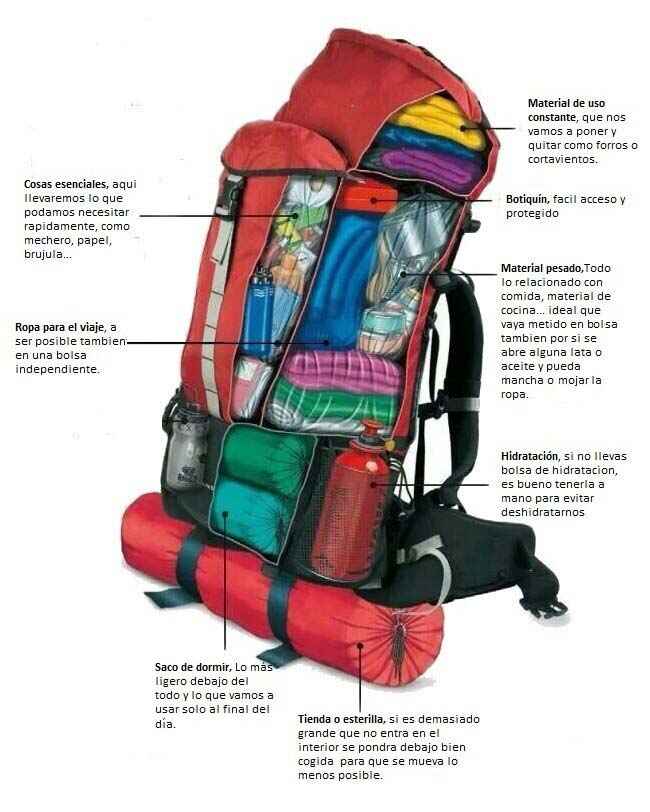
 Equipment to move up
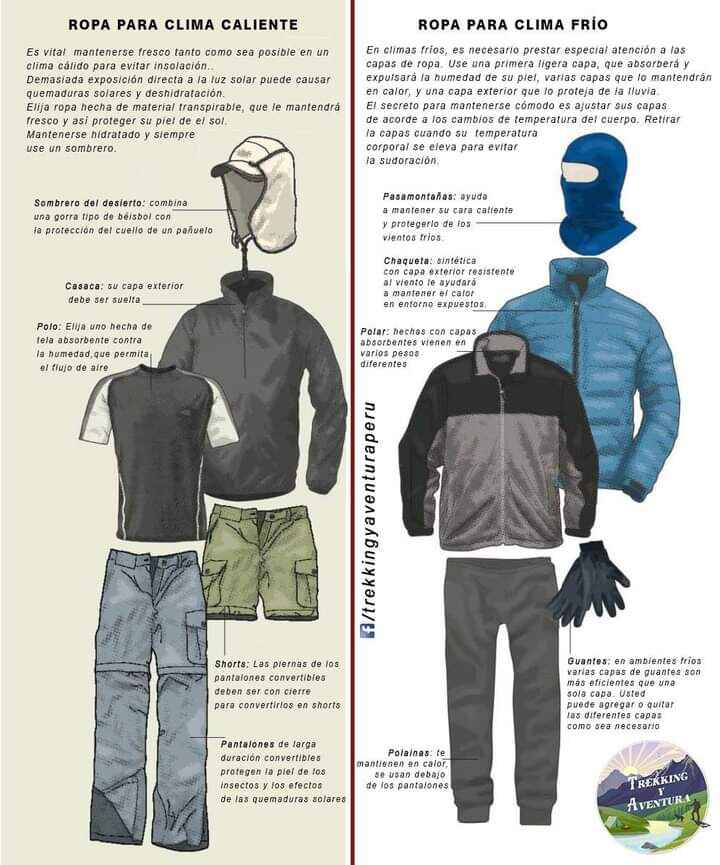
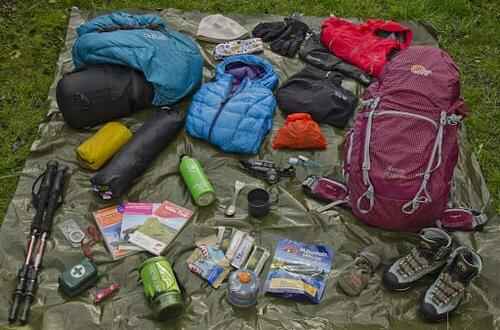
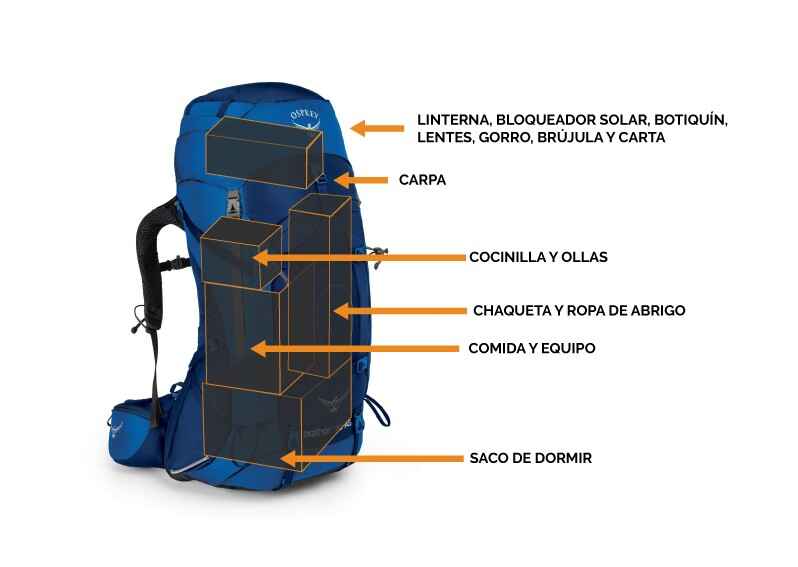
To ascend a volcano, it is necessary that you do it with the correct equipment and necessary for your trip, therefore it is important that you do not forget the following:
Subscript
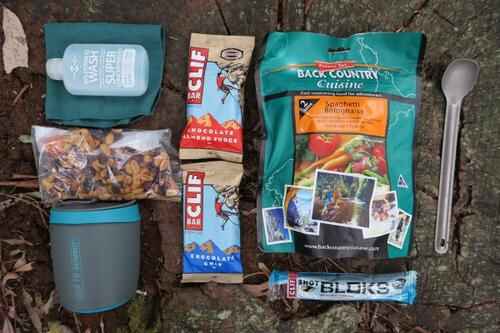
 Recommended Food to Bring
The type and amount of food you should pack for hiking Acatenango Volcano depends on your excursion. Below are some ideas of what you can bring:
Table of Contents

 Recommended First Aid Kit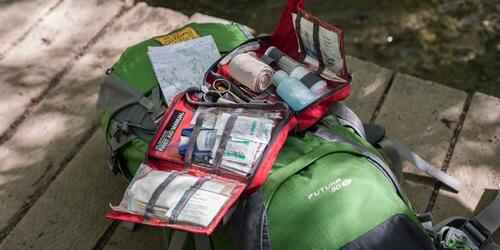
 Emergency Protocols
Table of Contents
One of the many advantages of our mobile devices is the ability to use apps that allow us to communicate with other people through different platforms where, in addition to exchanging messages, we can share photos and our location.
If you get lost during your ascent to the volcano, you can use your phone to help locate yourself more quickly.
The first step is to contact someone. When you are lost, the best thing to do is call an emergency number, as long as there is 3G coverage. If there is no coverage, you should look for a connection without taking risks.
As a second step, you should activate your device’s GPS. This will allow your location to be geolocated, with a small margin of error. However, it has been proven that sending your coordinates through WhatsApp is more accurate when you need to be located.
The third and final step is to send your location through the app to the contact of the person you established communication with.
To send it, press the “clip” icon to attach a file, then press “location” and select the send option. After sending it, within a few seconds the rescue team will receive the message with your exact location. It is important that you wait exactly where you sent your location from so rescuers do not have trouble finding you.
Because Acatenango Volcano is 3,976 meters above sea level, it falls within the “very high” elevation range. Because of this, oxygen concentrations are limited at high altitudes above sea level; the body works harder to oxygenate the blood. This type of discomfort usually occurs at around 2,500 meters of elevation, although sometimes it only occurs at around 3,500 meters.
“Altitude sickness” is the body’s reaction when it does not adapt to the altitude above sea level, causing symptoms such as nausea, headaches, dizziness, and physical weakness. Altitude can also affect sleep.
Some recommendations to prevent or reduce the symptoms of altitude sickness are:














 Prices and Schedules
 Book Tours
 Location and How to Get There
 Map and Routes
 Recommendations
 Weather
 History
 Contact
 English
  Book a Guide or Tour via